Carport Cost: 2026 Prices by Size, Single to RV
Metal carports run $1,800 to $36,000 depending on size and how it's installed. Real prices by size, material choices, and why three quotes can vary so much.
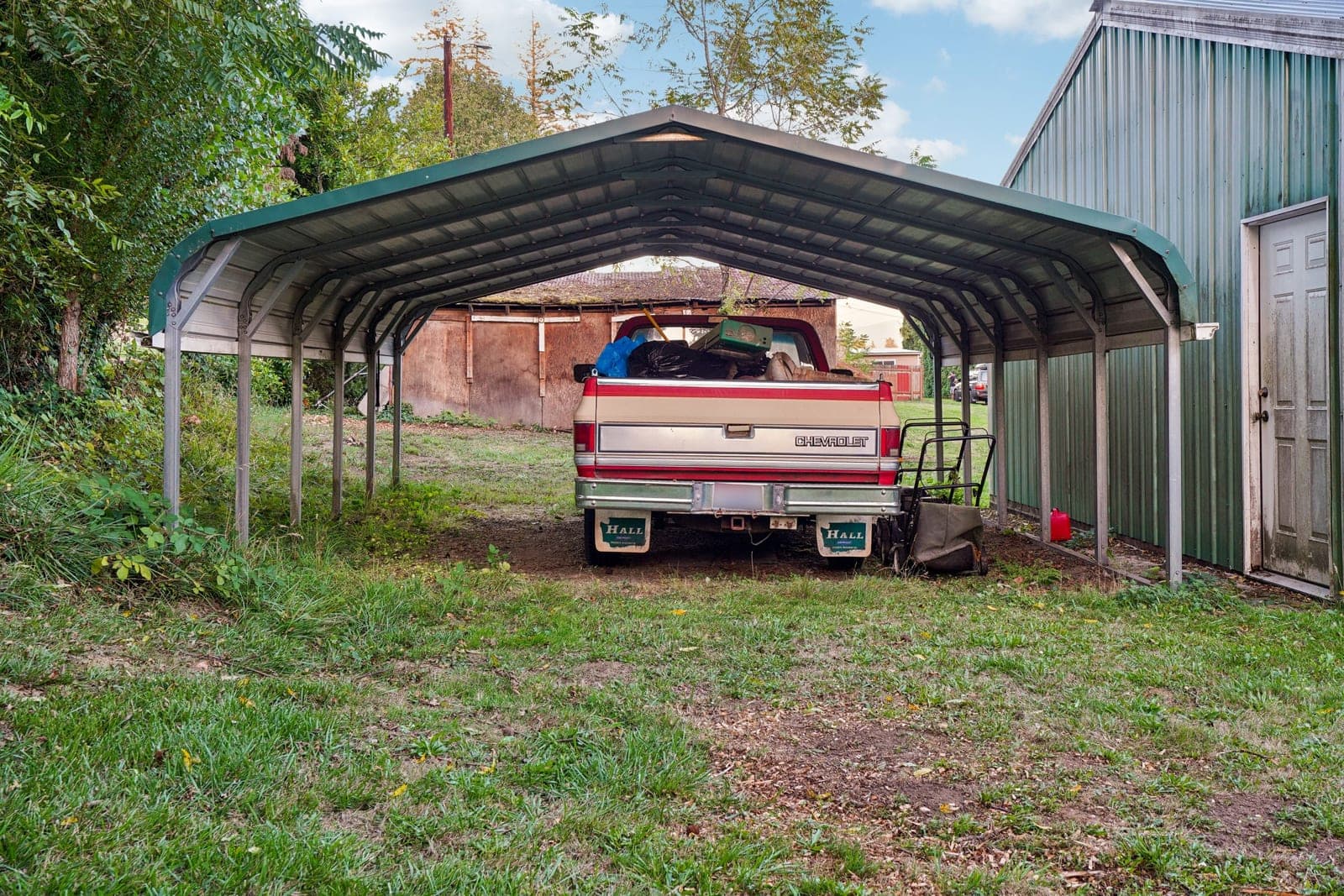
| Size | Sq ft | Shell / kit | Turnkey |
|---|---|---|---|
| 12×20 Single | 240 | $1,800 – $3,500 | $2,400 – $7,200 |
| 18×20 Double | 360 | $2,800 – $5,500 | $3,200 – $9,000 |
| 20×20 Double | 400 | $3,000 – $6,000 | $3,200 – $12,000 |
| 24×26 Triple / RV | 624 | $5,000 – $9,500 | $6,500 – $16,000 |
| 30×40 Large / Enclosed | 1,200 | $9,500 – $18,000 | $14,000 – $36,000 |
A metal carport costs $1,800 to $7,200 for a single-car size installed, $3,000 to $12,000 for a double, and up to $36,000 for a large enclosed RV or triple-bay version. Materials alone run $10 to $30 per square foot depending on whether it’s aluminum or steel, with installation adding the rest.
Carports are the simplest, most commoditized building on this site. There’s no interior finish question, no insulation debate, no slab-versus-dirt-floor decision that swings the price by a factor of five. The price differences that do exist come down to size, material, and how the thing gets anchored to the ground.
Metal carport cost by size
The table above uses the sizes carports are actually sold in: single, double, and triple/RV configurations, plus a large enclosed option. “Shell/kit” reflects materials-only or a basic DIY kit; “turnkey” reflects professional installation with anchoring, which is how most homeowners actually buy these.
Aluminum vs. steel is the first real fork in the road. Aluminum runs $10 to $15 per square foot installed, doesn’t rust, and is lighter to ship and handle. Steel runs $20 to $30 per square foot, is stronger for the same material thickness, and holds up better under heavy snow load, which is why most permanent, engineered carports in snow-load regions are steel rather than aluminum.
Roof style matters more than it might seem. A regular (A-frame) roof sheds water and snow better and costs slightly more than a flat or vertical roof style. In any region with real snow load, the roof style isn’t just cosmetic, it affects whether the structure is rated to survive winter without a collapse.
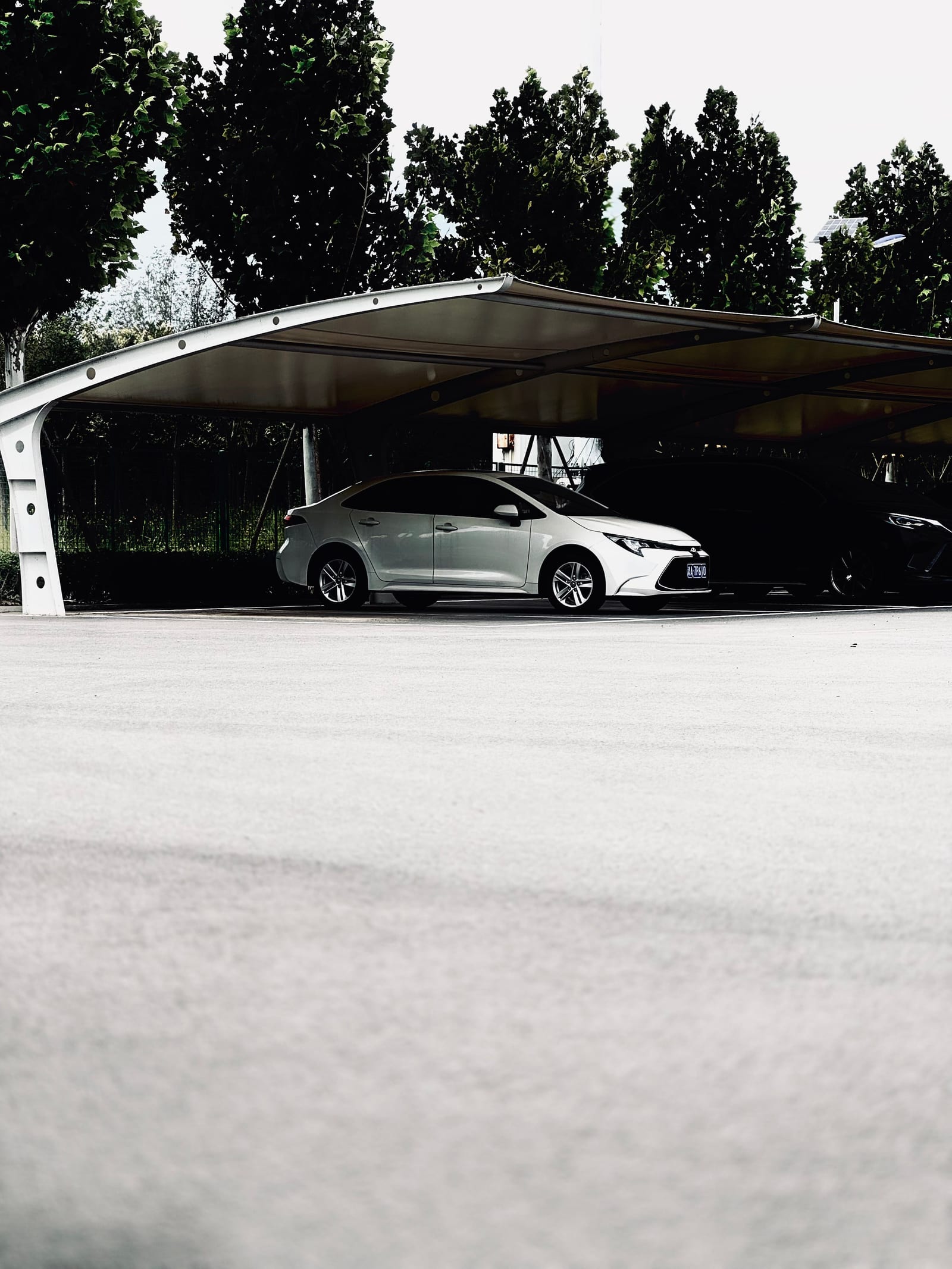
What’s included in a metal carport prices quote, and what isn’t
A base quote almost always covers the frame, roof panels, and standard anchoring for a level, accessible site. What frequently isn’t included, and is worth asking about before you compare two prices:
Site prep. A sloped site, one that needs grading or a small amount of excavation to get level, adds cost that a flat concrete driveway install never sees.
Permits. Most counties require one above a certain footprint, commonly 120 to 200 square feet, and the fee itself is usually modest, $50 to $300, far less than a full building permit. It still takes time and paperwork the online instant-quote price doesn’t account for, and skipping it when one’s actually required can come back to bite you at resale or when you file an insurance claim on the structure.
Wind and snow certification. A carport engineered and certified for your local wind or snow load costs more than a generic version, and skipping this in a region that requires it is how carports end up flattened in the first real storm. This isn’t optional in most coastal and heavy-snow counties; check your local requirement before ordering the cheapest version you find.
Anchoring method. A carport on a concrete slab gets bolted directly into the concrete. One on dirt or gravel needs ground anchors driven deep enough to hold under wind load. Heavy-duty screw-in ground anchors rated for sheds and carports are the right hardware for a non-slab install; don’t rely on whatever undersized stakes shipped with the kit. As an Amazon Associate we earn from qualifying purchases.

Why three carport quotes can vary so much for the same size
Unlike pole barns and metal buildings, where kit-versus-turnkey explains most of the price spread, carport quotes vary mostly because of certification and anchoring differences that aren’t always obvious from a size and price alone.
A $2,400 online instant quote for a 12x20 carport and a $7,200 quote from a local dealer for the same footprint aren’t necessarily the same product. The cheaper one may assume a flat, accessible site with no site prep, may not include a wind/snow certification your county requires, and may quote basic ground anchors rather than a full concrete-anchored install. Ask each bidder the same three questions, site prep included, certified for your zone, and how it’s anchored, and the real price gap usually shrinks or explains itself.

Is a carport the right call, or should you build a garage instead
A carport makes sense when you need weather protection, not security or storage. It won’t stop a break-in, doesn’t lock, and offers no insulation. If you’re storing anything valuable or need a workshop space, the math shifts toward a small pole barn or metal building instead, both covered in more detail on our pole barn cost and metal building cost pages.
The price gap between the two is structural, not just marketing. A detached garage typically starts around where a large metal carport tops out, because a garage adds a full foundation, framed walls, a real door, and usually drywall and electrical. A carport is a roof and posts, and skipping those line items is the entire reason it costs a fraction as much.
Where a carport wins outright: protecting a daily driver, RV, or boat from sun and precipitation damage, with no permit hassle beyond a basic one in most areas and installation measured in a day or two rather than weeks.
Run your size and region through the cost calculator to get a fast sanity check before you order.