Machine Shed Cost: 2026 Prices by Size
Machine sheds cost $17,000 to $100,000 depending on size. Real prices for economy equipment storage, and why a gravel floor can save tens of thousands.
| Size | Sq ft | Shell / kit | Turnkey |
|---|---|---|---|
| 40×80 (3,200 sq ft) | 3,200 | $17,600 – $27,200 | $25,000 – $45,000 |
| 50×100 (5,000 sq ft) | 5,000 | $27,500 – $42,500 | $40,000 – $70,000 |
| 60×120 (7,200 sq ft) | 7,200 | $40,000 – $61,000 | $58,000 – $100,000 |
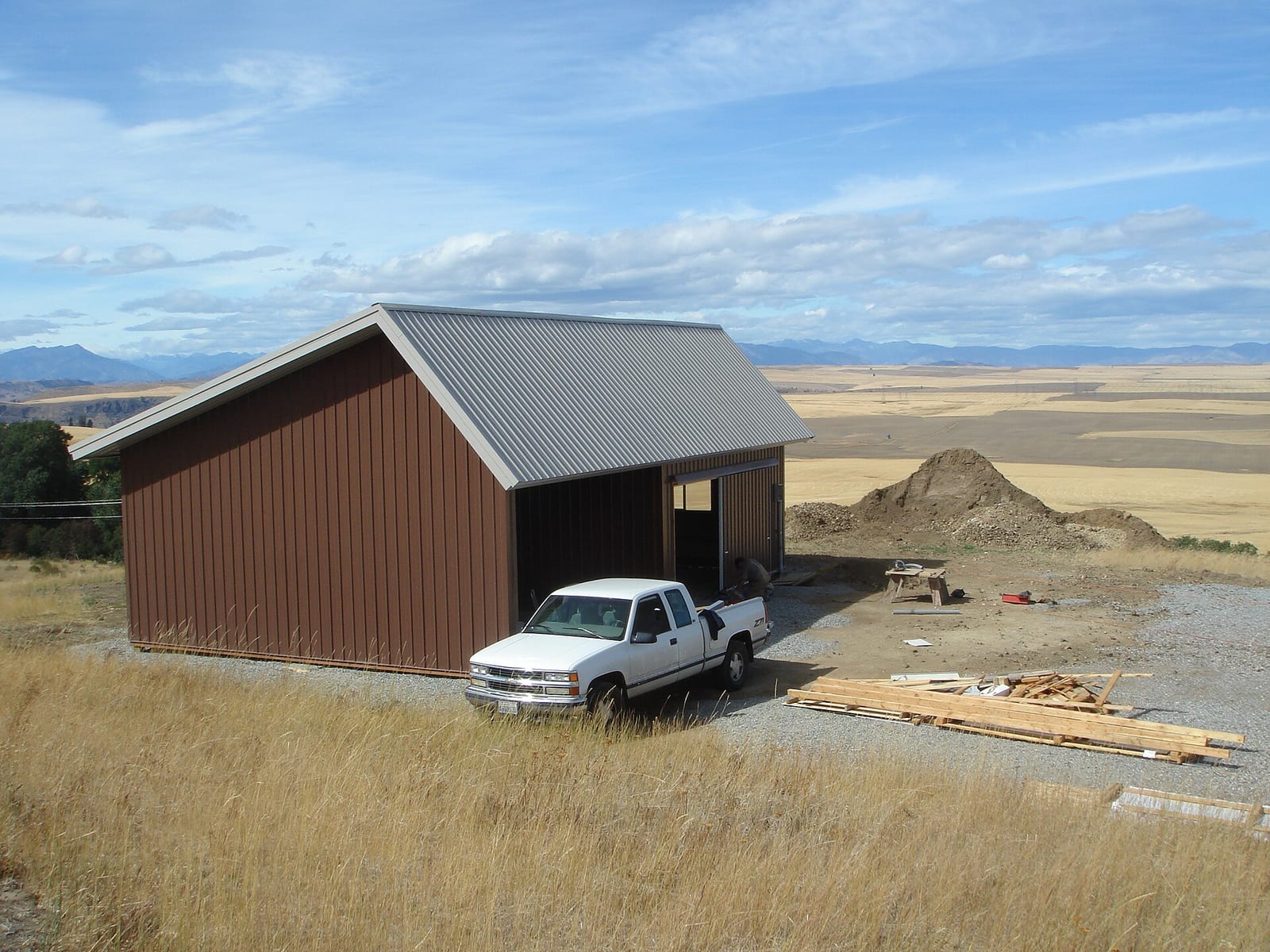
A machine shed costs $17,600 to $100,000 depending on size, using economy metal building packages that run $5.50 to $8.50 per square foot for the structure alone. Add a floor and basic erection and a large 50x100 shed lands around $40,000 to $70,000; a smaller 40x80 runs $25,000 to $45,000.
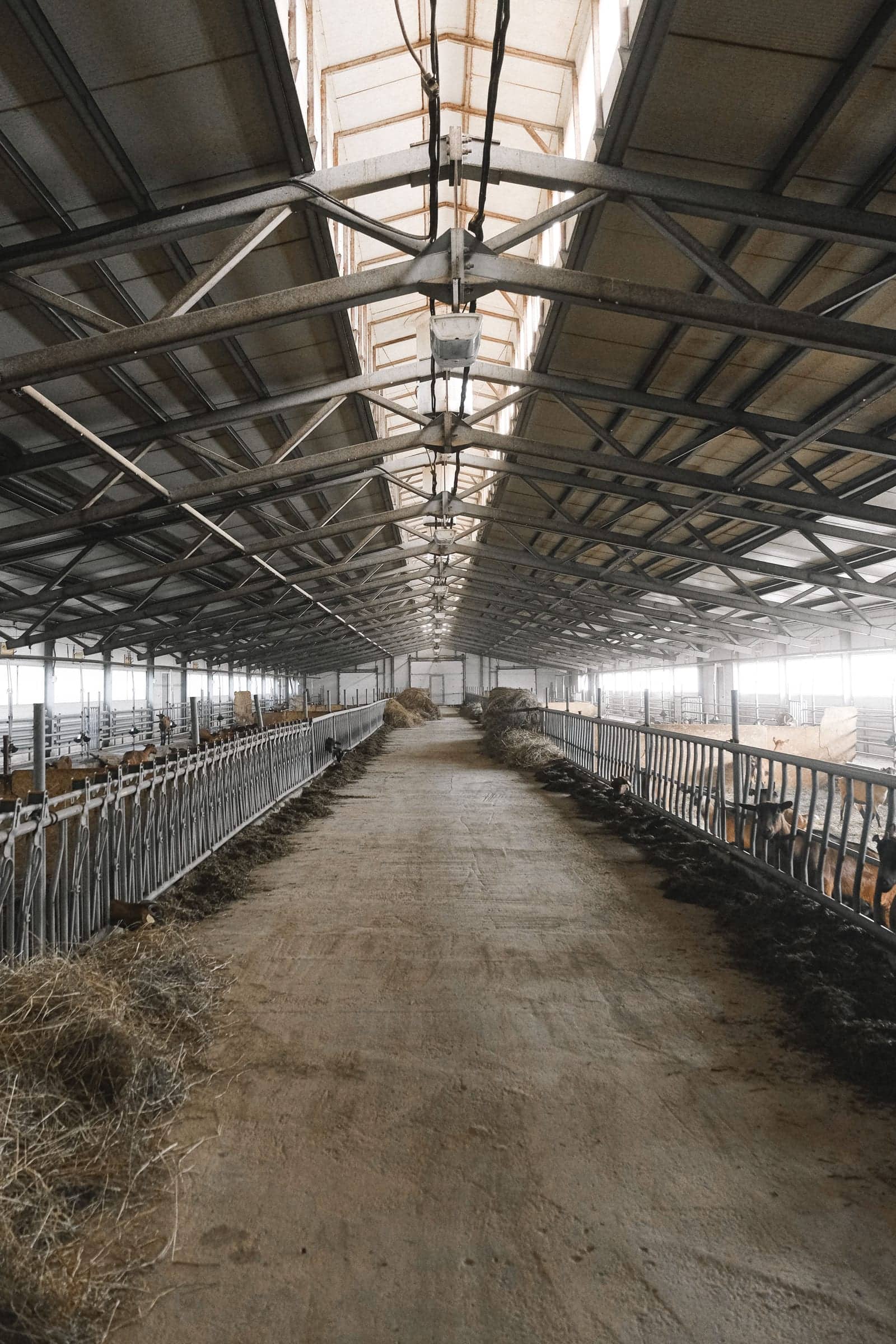
A machine shed is a pole barn or metal building built for one purpose: keeping large equipment, tractors, combines, implements, out of the weather at the lowest reasonable cost per square foot. Everything on our pole barn cost page about kit versus turnkey pricing applies here, with one difference worth calling out specifically.
The floor decision that saves real money
A concrete floor costs $5 to $8 per square foot installed, excavation, gravel base, vapor barrier, wire mesh, and finish included. A gravel floor, graded and compacted with geotextile fabric underneath, costs $1.50 to $3.00 per square foot instead.
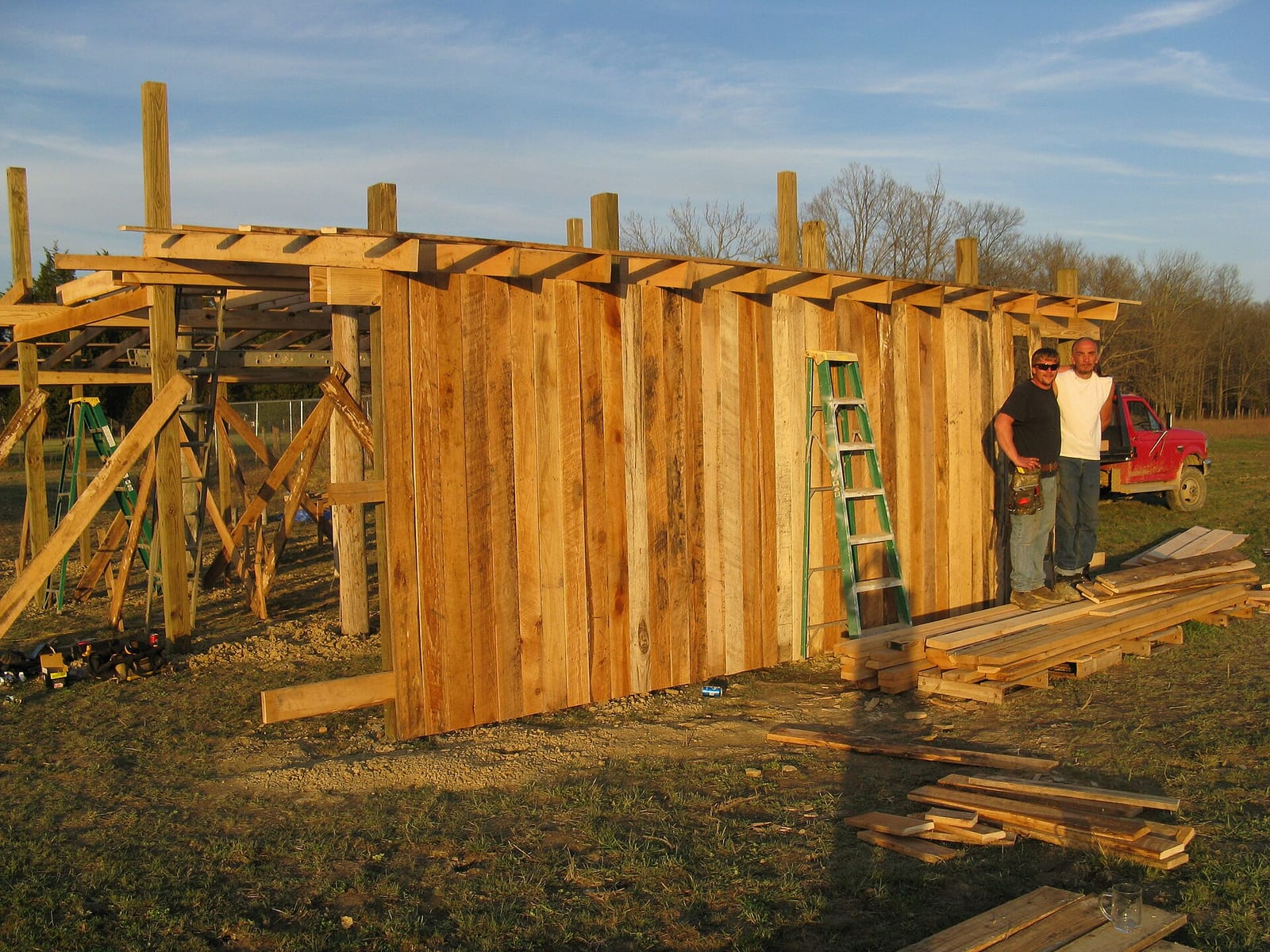
On a large 60x120 shed, that difference is $25,000 to $40,000, real money for a building where equipment tires and tracks don’t need a finished slab the way a workshop or living space would. If you’re storing equipment rather than working on it, gravel is usually the right call; save concrete for a shed that doubles as a shop.
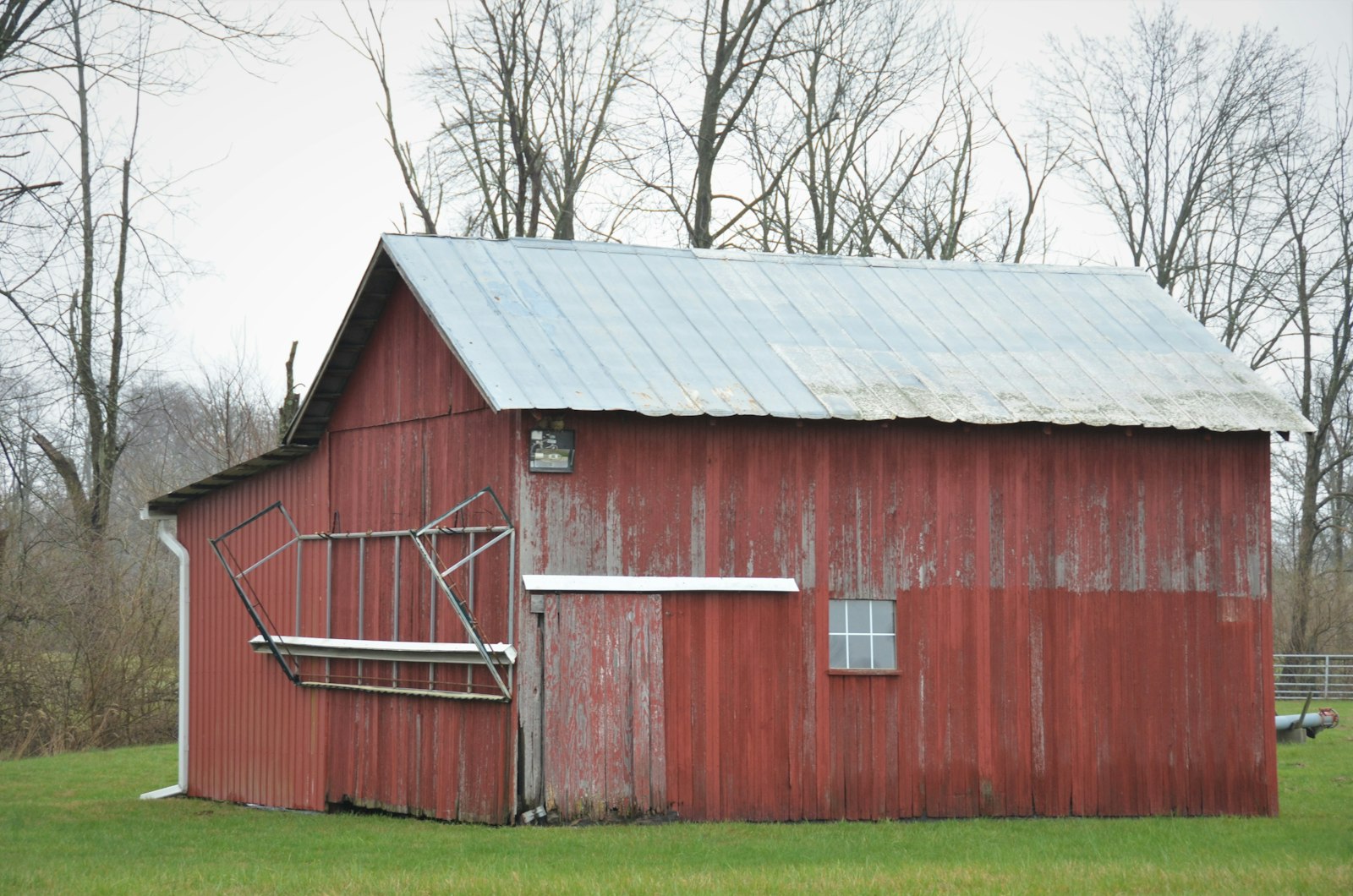
Bay width matters more here than in most building types on this site. Modern equipment keeps getting wider, and a shed built to yesterday’s implement widths can be genuinely too narrow for a new combine head or planter a few years later. Size bays a little larger than your current equipment if you can afford it.
Do you actually need a permit
A lot of machine sheds qualify for an agricultural building permit exemption, but the qualification bar is specific, not automatic. The common thresholds, drawn from county-level exemption rules that show up repeatedly across ag states: the parcel is typically five acres or more, an active agricultural operation has to actually exist on the property already, and the structure has to house farm equipment, feed, or products rather than serve as a residence or commercial space. Even where the permit itself is waived, the building still has to meet the underlying structural and setback code, per guidance from the Michigan Farm Bureau. None of this is uniform. A shed that’s exempt in one county can require a full permit one township over, so confirm with your local building or planning department before you assume the exemption applies, rather than after the slab is poured.
How long a machine shed actually lasts, and what it costs to keep it that way
A well-built post-frame shed is a multi-decade asset. Pole barns average 40 to 60 years of service life, and well-maintained buildings using modern treated posts and coated steel panels have gone well past a century, according to FBi Buildings, a post-frame builder that’s tracked its own buildings’ performance since 1958. The two things that most shorten that lifespan are moisture at the post base and deferred roof maintenance, both preventable with routine inspection rather than expensive intervention.
When maintenance does turn into a real project, re-siding is the big one. Reskinning an existing pole building, stripping old panels and installing new steel, runs a minimum of $5.75 per square foot once you add removal labor (about $1.50/sq ft), installation labor (about $1.25/sq ft), and new panel material (starting around $3.00/sq ft), per FBi Buildings’ own reskin cost breakdown. That figure excludes trim, fasteners, and any engineering review, so treat it as a floor, not a full quote. On a 40x80 shed’s 4,480 square feet of wall and roof surface, that’s a $25,000-plus project, real money, but still far below the cost of tearing down and rebuilding a structure whose posts and frame are otherwise sound.
If you’re deciding between a bare-bones machine shed and something closer to a working shop building, the deciding factor isn’t the shell, it’s whether you need a floor and power you can actually work on equipment with, not just park it under.
Run your size through the cost calculator using the pole barn option, and see our full pole barn cost guide for the complete kit-versus-turnkey breakdown that applies to a machine shed just as much as a residential building.