Metal Building Cost: 2026 Prices by Size, Kit vs. Turnkey
Metal buildings run $9,000 to $250,000 depending on size and finish. Real prices by size, what steel commodity swings do to your quote, and kit traps to avoid.
Steel frame erection. Footage: Mixkit Free License.
| Size | Sq ft | Shell / kit | Turnkey |
|---|---|---|---|
| 24×24 (576 sq ft) | 576 | $9,000 – $17,000 | $22,000 – $40,000 |
| 30×40 (1,200 sq ft) | 1,200 | $17,000 – $30,000 | $40,000 – $70,000 |
| 30×50 (1,500 sq ft) | 1,500 | $21,000 – $38,000 | $50,000 – $88,000 |
| 40×60 (2,400 sq ft) | 2,400 | $34,000 – $58,000 | $80,000 – $130,000 |
| 40×80 (3,200 sq ft) | 3,200 | $45,000 – $77,000 | $105,000 – $170,000 |
| 50×100 (5,000 sq ft) | 5,000 | $70,000 – $120,000 | $150,000 – $250,000 |
A metal building costs $9,000 to $120,000 for a kit, or $22,000 to $250,000 fully finished, depending on size and how much of the work you’re paying someone else to do. A 40x60 building, built out with a concrete slab, some insulation, and basic electrical, typically runs $80,000 to $130,000 as of mid-2026. The bare steel kit for the same footprint starts around $34,000.
Metal building and steel building are often used interchangeably, and for cost purposes they mostly are the same thing: a rigid steel frame with steel panel siding and roofing, as opposed to a post-frame building’s wood posts and girts. The pricing structure works the same way pole barn pricing does, kit versus installed shell versus turnkey, but the underlying material cost tracks the steel market directly, which makes it more volatile.
Metal building cost per square foot, by size
The table above splits kit/shell pricing from turnkey pricing, the same distinction that matters for post-frame buildings. A kit is steel components only, no foundation, no labor, no finishes. Turnkey means slab, structure, basic electrical, and at least some insulation, ready to use.
Three things specific to metal buildings move you within these bands more than they do for a comparable pole barn:
Steel gauge. Lighter-gauge (thinner) steel costs less but dents more easily and holds up worse in hail-prone regions. Heavier 26-gauge or lower panels cost more upfront and last longer. Most residential and light-commercial buildings use 26-gauge panels on a lighter structural frame.
Frame type. Tubular steel framing, the lighter DIY-friendly kit style, runs cheaper, commonly $12 to $18 per square foot for materials. Red iron (I-beam) commercial-grade framing, which is what most permitted commercial buildings actually require, runs $22 to $35 per square foot for materials alone, before slab or labor.
Insulation package. An uninsulated shell is the cheapest option and is fine for equipment storage. A properly insulated building, with vapor barrier and rigid or spray foam insulation, adds $3 to $8 per square foot and is close to mandatory if you’re heating or cooling the space.
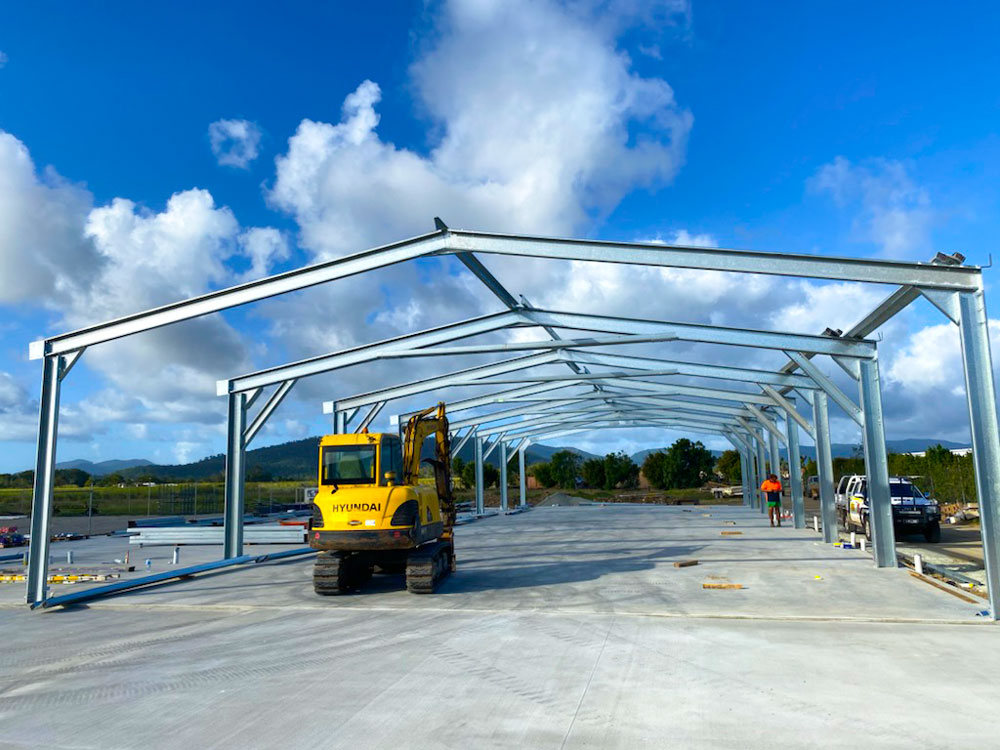
Metal building prices: kit vs. turnkey, and where the money actually goes
A kit-only metal building includes the frame, panels, trim, and fasteners, shipped flat to your site. Pricing runs $12 to $25 per square foot depending on frame type. You handle the foundation, erection, and any interior work yourself or through a separately hired crew.
An installed shell adds professional erection plus a concrete slab: $24 to $43 per square foot. This is the number most manufacturer websites show when they say “cost per square foot” without further qualification, and it’s worth confirming which one you’re looking at before you compare two quotes.
A turnkey building, structure plus slab plus labor plus insulation and basic electrical, runs $33 to $75 per square foot for smaller buildings and settles lower per square foot as the building gets bigger, the same economy-of-scale effect you see with pole barns. The gap between a kit price and a turnkey price for the same footprint can be more than double. One industry source put it plainly: the sticker price of a metal building kit often represents only 40 to 60 percent of the total project cost once foundation, labor, and finishing are added in.
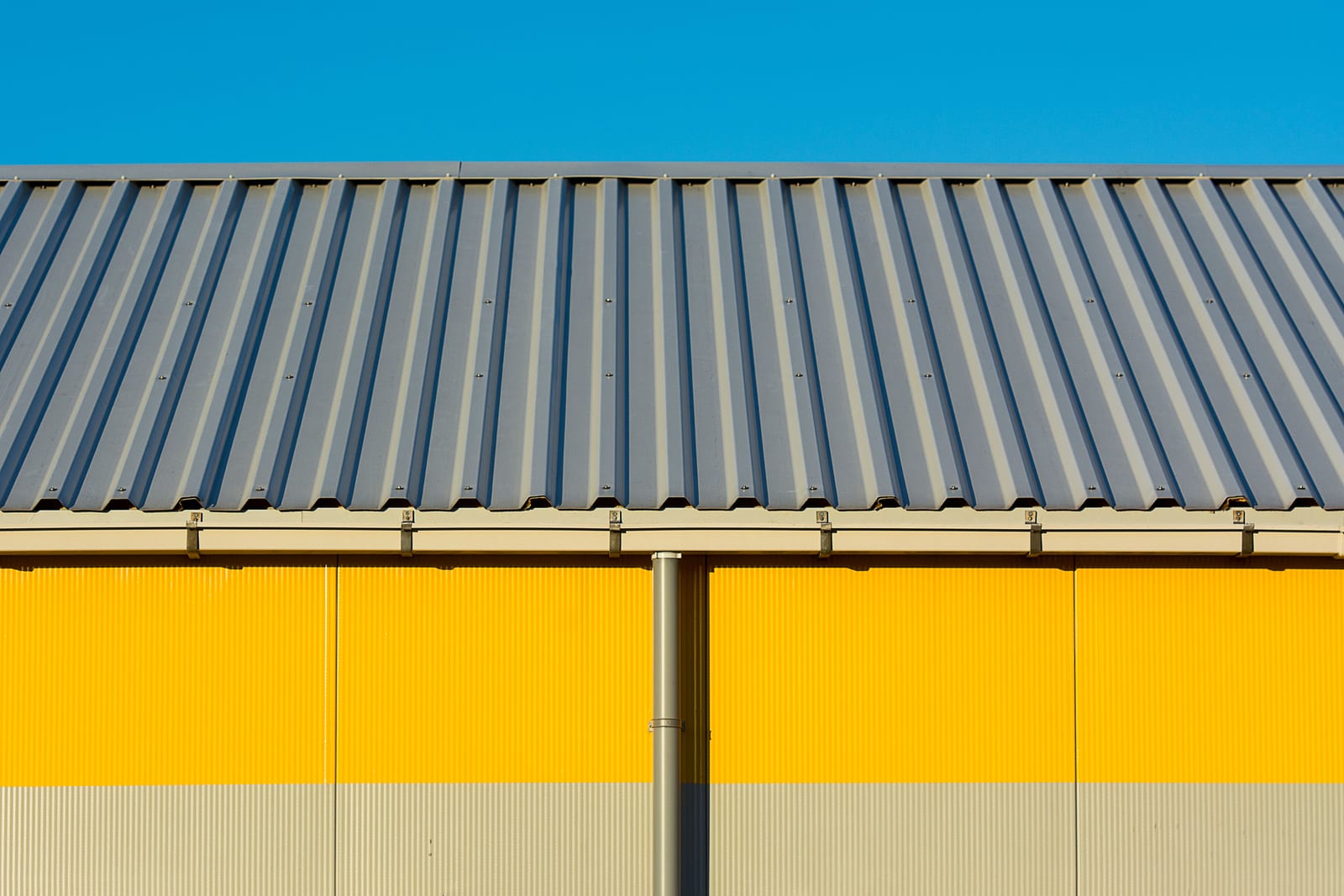
Why steel commodity pricing matters more here than for pole barns
A pole barn’s cost is anchored partly in lumber, which has its own price cycles, but a metal building’s structural cost is almost entirely steel. Hot-rolled coil steel, the raw material behind structural framing, has traded above $950 per ton through early 2026, and industry pricing surveys generally expect flat to modestly higher prices through the rest of the year rather than a pullback.
What that means practically: get your quote locked in writing with an explicit expiration date. Most metal building quotes are only good for 30 to 60 days for exactly this reason, and you shouldn’t assume a quote from three months ago still holds. Manufacturers that sell nationally, American Steel Carports and SteelMaster among them, reprice regularly against the steel market, and a 60-day-old verbal quote is not a price guarantee.
If you’re erecting the building yourself or with a hired crew rather than paying a manufacturer’s install crew, run the numbers on metal-to-metal TEK screws as a real line item, not an afterthought. A 40x60 building can take several thousand fasteners between panels and trim, and buying them in bulk ahead of time is meaningfully cheaper than a hardware store run every time the crew runs short. As an Amazon Associate we earn from qualifying purchases.
What separates a good quote from a bad one
Ask what gauge steel the quote specifies, for both the frame and the panels. “Metal building” alone tells you nothing about whether you’re getting a light DIY-grade kit or a commercial red-iron structure, and the price difference between them is real.
Confirm whether the quote includes site delivery, or whether freight is billed separately once your final address and site access are known. Rural and remote sites sometimes get a real freight surcharge that doesn’t show up in an online instant quote.
Ask what wind and snow load the building is engineered for, and cross-check that against your county’s actual requirement, the same question that matters for pole barns. A metal building under-engineered for your zone can fail permit review or, worse, fail in a real storm.
Run your numbers through the cost calculator to sanity-check any quote before you sign. It uses the same size-based ranges as the table above.