Silo Cost: 2026 Prices, Steel vs. Concrete
Silos cost $10,000 to $150,000 depending on capacity and material. Real prices by ton capacity, steel vs. concrete, and why concrete costs roughly double.
| Size | Sq ft | Shell / kit | Turnkey |
|---|---|---|---|
| 100-ton capacity | , | $10,000 – $15,000 | $20,000 – $30,000 |
| 300-ton capacity | , | $22,000 – $32,000 | $45,000 – $65,000 |
| 500-ton capacity | , | $32,000 – $45,000 | $65,000 – $95,000 |
| 1,000-ton capacity | , | $55,000 – $75,000 | $100,000 – $150,000 |
A silo costs $10,000 to $75,000 in steel, or $20,000 to $150,000 in concrete, depending on ton capacity. Steel runs $25 to $45 per ton of capacity; concrete runs $50 to $100 per ton, roughly double steel for equivalent storage.
A silo is a different structure from the flat-bottom grain bins covered on our grain bin cost page: taller, narrower, and historically associated with silage (fermented feed) rather than dry grain, though the terms get used loosely and modern steel silos serve both purposes.
Silo cost by capacity and material
The table above splits steel (shell/kit column) from concrete (turnkey column) at the same capacity tiers. Steel construction bolts together relatively quickly and costs less per ton; concrete, whether poured in place or built from interlocking stave blocks banded with steel, costs more but lasts longer and handles some materials, particularly high-acid silage, better over decades of use.
Concrete’s premium comes down to labor and material, not markup. Poured or stave-block construction needs real cure time that a bolted steel structure skips entirely, and the wall thickness required for structural integrity eats up considerably more material per ton of capacity. What that extra cost buys, beyond the acid resistance, is often better temperature stability for whatever’s stored inside.
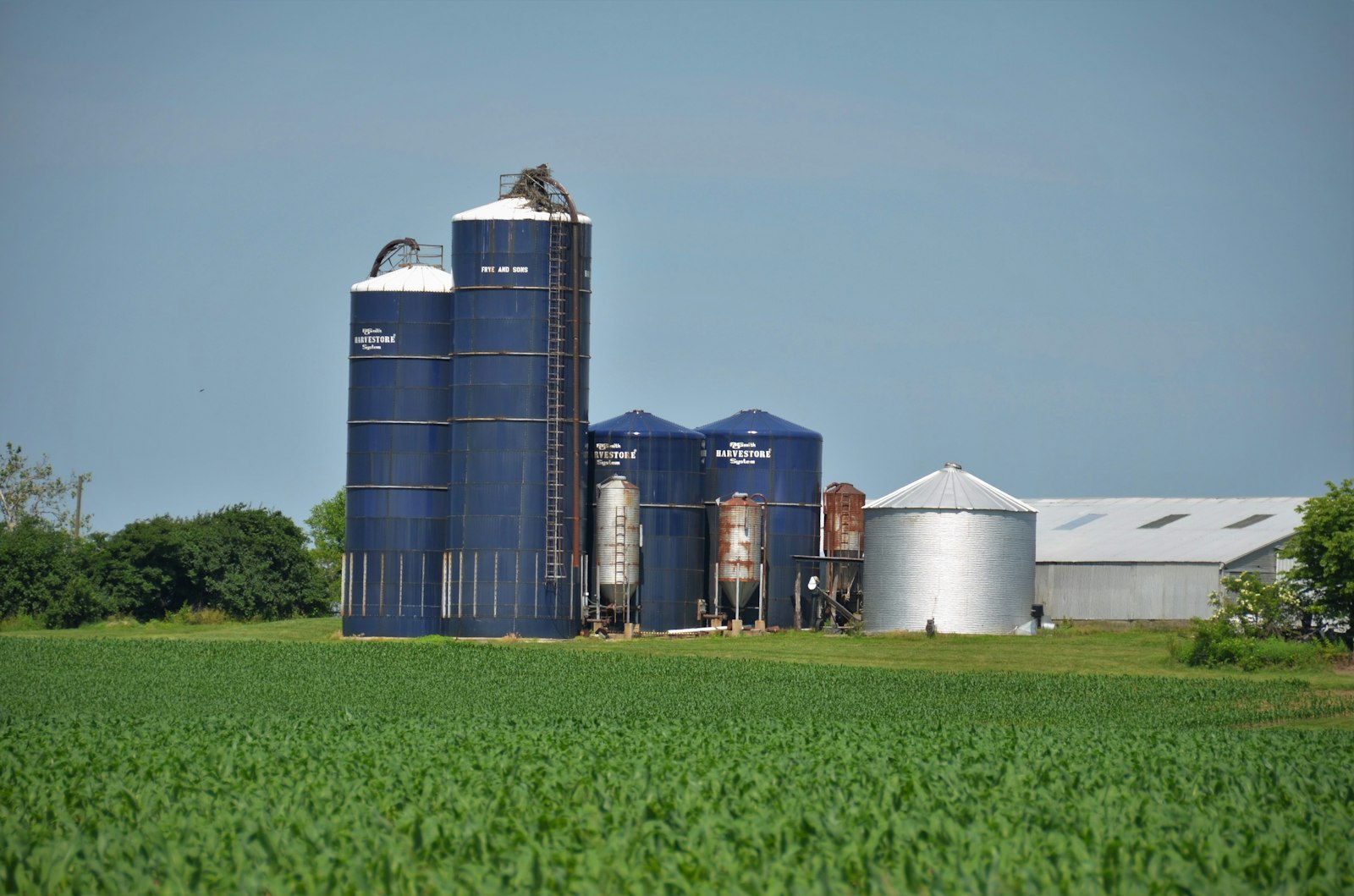
Foundation work matters more for a silo than for most buildings on this site, precisely because a silo is tall and narrow rather than low and wide. A silo’s foundation has to handle both the vertical load of a full silo and the wind load on a tall, exposed structure, and skimping here is a genuine structural risk, not just a cost-cutting shortcut.
Unloading and handling equipment, augers, bottom unloaders, blowers for filling, are typically priced separately from the silo structure itself and can add a meaningful percentage to the total project cost depending on how automated you want loading and unloading to be.
Steel vs. concrete: which one actually fits your operation
Steel wins on upfront cost and speed to install, and it’s the more common choice for grain and general dry storage where the material inside isn’t particularly corrosive to the structure.
Concrete wins on service life and is the traditional choice for silage specifically, since the fermentation process that makes silage produces acids that are harder on steel over decades of repeated fill-and-empty cycles than they are on properly sealed concrete.
If your operation is dry grain only and you expect to expand or reconfigure storage within 10 to 15 years, steel’s lower upfront cost is usually the better call. If you’re storing silage long-term or building for a 30-plus-year horizon, concrete’s higher upfront cost is easier to justify against its longer service life.
Financing a silo through USDA’s Farm Storage Facility Loan
Most silo cost guides stop at the sticker price and skip the financing that a lot of buyers actually use. The USDA Farm Service Agency’s Farm Storage Facility Loan program covers silo-type structures for whole grain storage directly, alongside grain bins and hay barns, with loans up to $500,000 at a 15 percent down payment, or a 5 percent down microloan option for amounts up to $50,000 with waived production-history requirements. Terms run 3 to 12 years, and rates as of 2026 range from roughly 4.125 percent on a 3-year term to 4.625 percent on a 12-year term, meaningfully below what a lot of operations would pay through a general-purpose ag loan. It’s worth checking eligibility before you finance a silo any other way.
Keeping a steel silo at its rated service life
Corrosion, not structural failure, is what actually ends a steel silo’s useful life early, and how fast it progresses depends entirely on the environment and the galvanized coating thickness. A coating meant to deliver 10 years of protection needs roughly 100 microns of zinc; go thinner and a coastal or otherwise polluted atmosphere can cut that protective life to a fraction of that, sometimes 2 to 5 years, according to steel silo corrosion research. That’s the practical argument for spending more on coating spec upfront in a humid or coastal region rather than saving a few dollars a ton and repainting sooner.
Inspection frequency should scale the same way. A general checklist calls for at least a quarterly comprehensive inspection in a normal environment, stepping up to monthly in coastal or industrial settings, watching specifically for bolted-joint corrosion, waviness along panel seams, and bulging near the top of the cone. None of this is expensive to do. It’s expensive to skip, since caught-early corrosion is a recoat and caught-late corrosion is a structural repair or an early replacement.
Permitting for a silo usually follows the same agricultural exemption logic covered on our grain bin cost page: many counties waive the building permit for a qualifying structure on active agricultural land, typically five acres or more, though the structure still has to meet underlying code and the exemption itself varies enough by county that it’s worth a call to your local planning office before you assume it applies.
For flat-bottom dry grain storage priced by bushel rather than by ton, see our grain bin cost page, or run a rough estimate through the cost calculator.